Switzerland is becoming an important global centre of excellence for advancing the unmanned aircraft sector.
Drone flights
Guidance for safe drone operations
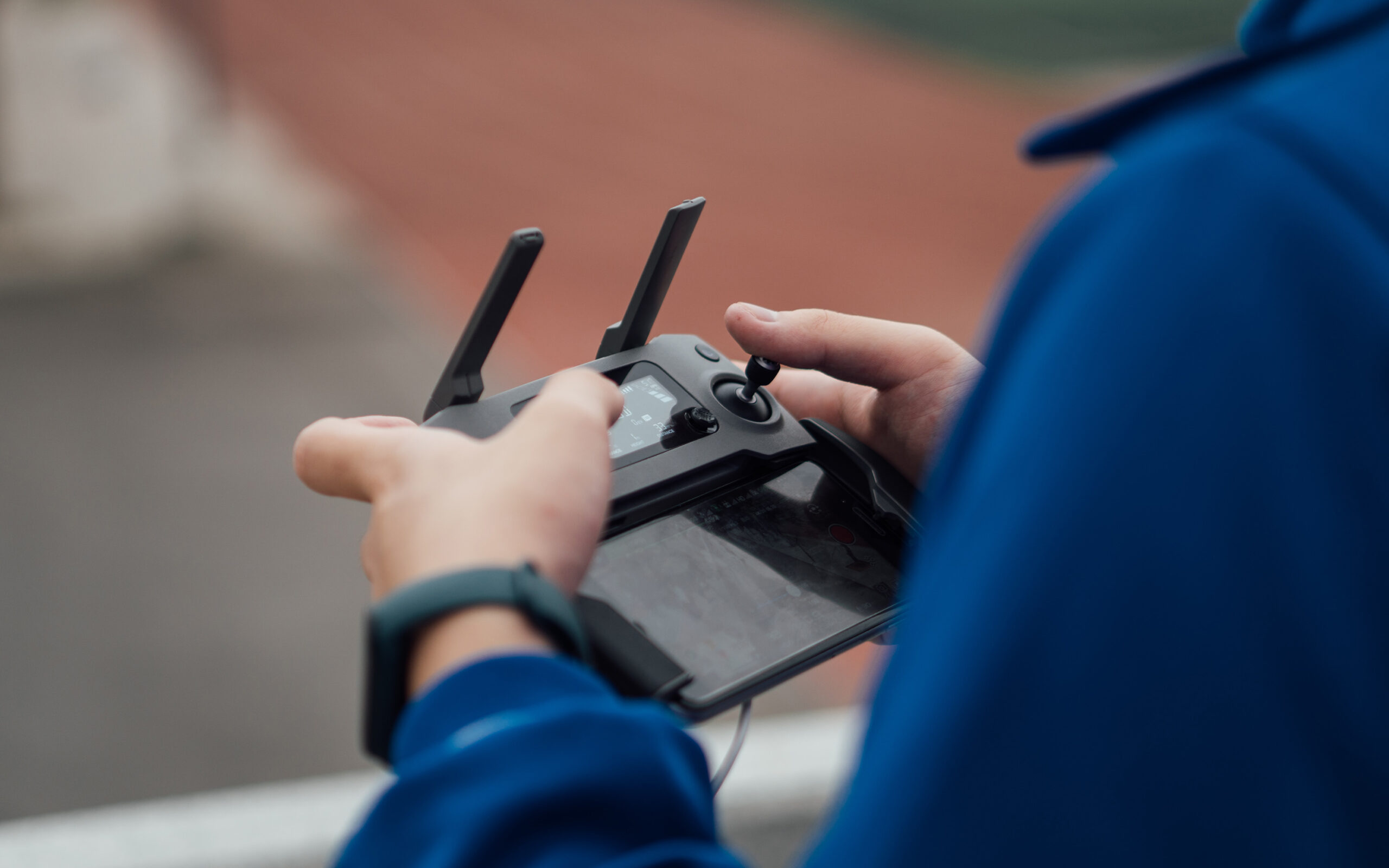
Skyguide is playing a vital role in ensuring drones can fly safely and securely. We are responsible for providing clearances for drone operations in the airspace in which Air Traffic Control (ATC) approval is required, including airspace around airports and regional aerodromes.
The “U-Space” concept provides the digital infrastructure, services and procedures to give drones access to airspace while ensuring the safety of other airspace users.
Our U-Space apps give drone operators a detailed overview of key restrictions and constraints on drone operations throughout the country and an automated flight authorisation request system for Skyguide approval (under some conditions).
U-Space functions & advantages

FAQ and legal basis
Feedback
Tell us what you think, your feedback is important to us.
Contact
Opening hours and contact details: free SFO Tool support is now available. The opening hours of this support are limited to Monday – Friday, 08.00 – 12.00.
specialflight@skyguide.ch+41 43 931 62 36